
Emergency cases

Surgical Management of Acute and Chronic Wounds

Introduction The surgical management of acute and chronic wounds is a cornerstone of effective wound care, requiring precise techniques to ensure optimal healing, functional recovery, and minimal scarring. Acute wounds, such as traumatic injuries, bites, and high-pressure injection injuries, demand immediate debridement, repair, and closure, while chronic wounds, including those caused by hidradenitis suppurativa or necrotizing soft […]

Surgical Management of Acute and Chronic Wounds Read Post »

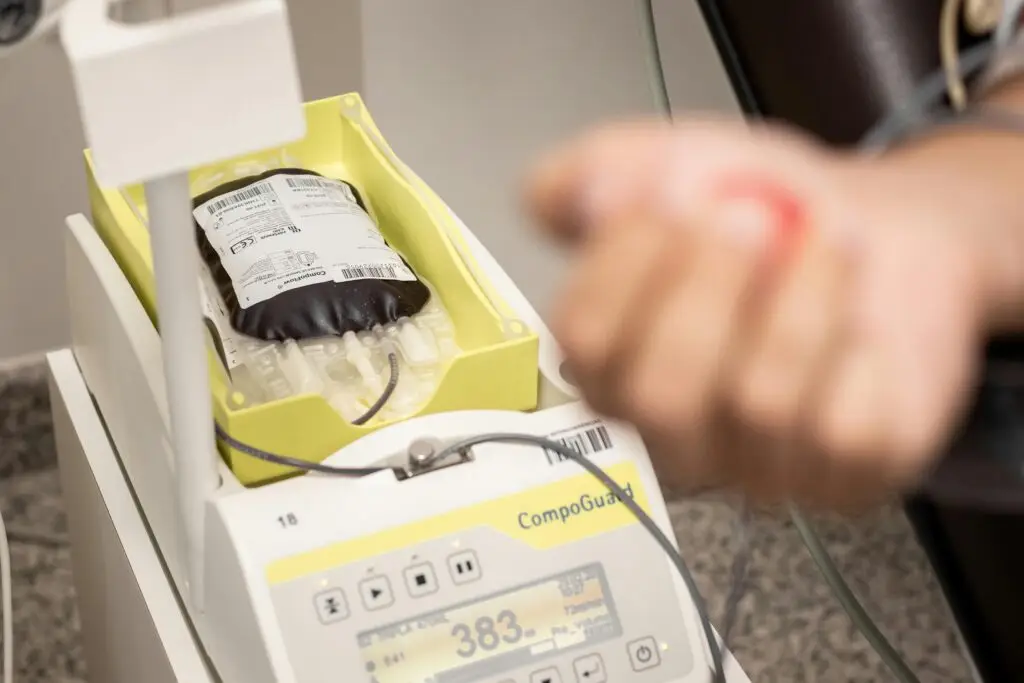
Close-up of blood collection equipment during a donation process in a medical facility.

Blood Transfusion: Indications and Emerging Alternatives

1. Introduction to Blood Transfusion 2. Blood Donation and Screening 3. Blood Components and Their Uses 4. Indications for Blood Transfusion 5. Blood Groups and Cross-Matching For Blood Transfusion 6. Complications of Blood Transfusion 7. Management of Coagulopathy 8. Autologous Blood Transfusion 9. Emerging Alternatives to Blood Transfusion 10. Administration and Safety Protocols 11. Special Considerations Conclusion: Read Further from Authentic Sources:

Blood Transfusion: Indications and Emerging Alternatives Read Post »

What is shock? shock management, emergency care

What is Shock? Pathophysiology, Classification, and Management

Shock: Shock is a life-threatening condition characterized by systemic hypoperfusion, leading to inadequate oxygen delivery to tissues and cellular dysfunction. It is one of the most common causes of death in surgical and trauma patients. This guide combines the best insights from two authoritative sources to provide a detailed, comprehensive, and reader-friendly overview, covering its pathophysiology, classification,

What is Shock? Pathophysiology, Classification, and Management Read Post »

Index
Scroll to Top