
In 2025, average adults spend over 7 hours daily on screens, contributing to eye strain, sleep issues, anxiety, and reduced physical activity. Excessive screen time links to mental health challenges, especially among teens, where over 6 hours daily correlates with higher depression risks. How to reduce screen time?
Reducing screen time improves focus, sleep, relationships, and well-being. This guide shares evidence-based strategies for adults and families, drawing from recent expert recommendations.
:max_bytes(150000):strip_icc()/PARENTS-screen-time-addiction-df2cefe2f9ae49a2ac361f863f261838.jpg)

Why Reduce Screen Time? Key Health Impacts in 2025
Screens dominate life, but excess harms health:
- Physical Effects — Eye strain, poor posture, disrupted sleep from blue light.
- Mental Health — Increased stress, anxiety, and depression; social media comparison worsens this.
- Productivity and Relationships — Doomscrolling reduces focus and family time.
Adults average 6-7 hours daily; teens often exceed 9. Start small changes for big gains.
Step 1: Track and Understand Your Current Habits
Awareness sparks change.
- Use built-in tools: iOS Screen Time or Android Digital Wellbeing to monitor usage.
- Set weekly goals: Reduce by 10-15 minutes daily initially.
- Batch checks: Limit emails/social media to 3 times/day to cut stress.
Step 2: Use Device Features and Apps Effectively
Modern tools help enforce limits.
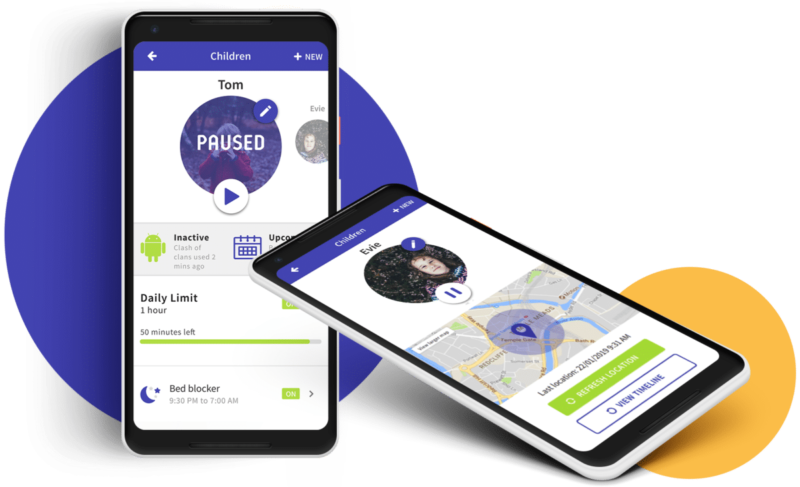
- App Limits and Downtime → Block distracting apps after set times.
- Grayscale Mode → Make screens less appealing.
- Notification Management → Turn off non-essentials; batch to specific times.
- Focus Modes → Silence distractions during work or family time.
For kids, parental controls monitor and limit usage.
Step 3: Create Physical and Habit Barriers
Increase friction for mindless scrolling.
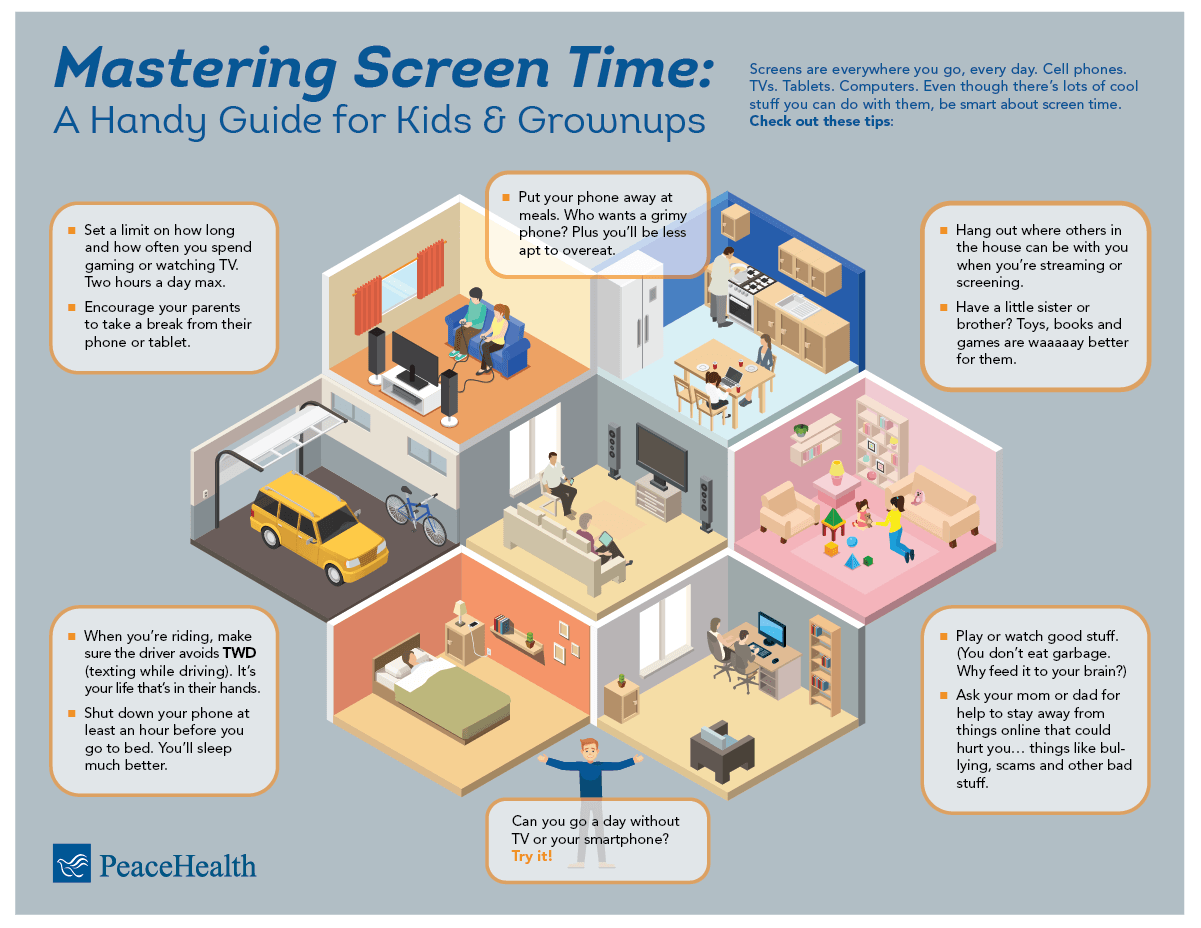
- Charge phones outside bedroom for better sleep.
- Designate screen-free zones (dining table, bedrooms).
- Use lockboxes or long passwords to deter casual checks.
- Replace habits: Read books, walk, or pursue hobbies instead of scrolling.
Step 4: Prioritize Alternatives and Real-Life Activities
Fill time with fulfilling options.
- Outdoor Time → Aim for nature walks or sports.
- Social Connections → Face-to-face meetups over digital.
- Hobbies → Cooking, journaling, or crafts.
- For families: Game nights, reading together, or shared meals without devices.
Step 5: Special Tips for Parents and Kids
Model behavior—kids mimic adults.
- Set family rules: No screens during meals or 1 hour before bed.
- Encourage balanced use: Educational content with co-viewing.
- Lead by example: Put away your phone during family time.
Gradual limits work best; avoid cold turkey to prevent resistance.
Final Thoughts: Start Small for Lasting Change
Reducing screen time is a journey. Begin with one change—like no phones at dinner—and build. Benefits include better sleep, lower stress, stronger relationships, and more presence.
In 2026, tools and awareness make it easier than ever. Reclaim your time for a healthier, happier life.
Sources: Scripps Health, The New York Times, NPR, CNN Underscored, Mayo Clinic, American Heart Association, NIH MedlinePlus.